Every Tree Is
a Structural
Question.

Certified arborists serving residential and commercial canopies since 2011.

2,400+
15 yrs
ISA
94%
48 hr
A curated record of institutional trust
ISA

International Society of Arboriculture

Board-certified arborists on every assessment

TCIA

Tree Care Industry Association

Accredited company member since 2013

ANSI

ANSI A300 Standards

All pruning work meets ANSI A300 specifications

PDX

Portland Parks & Recreation

Preferred vendor, urban forestry program

PSU

Portland State University

Campus canopy management, 340-tree inventory

PGE

Portland General Electric

Utility line clearance, certified crew

USFS

US Forest Service

Collaborative research, urban tree health

OHSA

Oregon Landscape Contractors Board

Licensed #LCB-6182, fully bonded & insured

Multnomah CountyOregon State ParksPGEPortland State UniversityNike World CampusLloyd District BIDOHSU Marquam HillPortland Parks & RecreationMultnomah CountyOregon State ParksPGEPortland State UniversityNike World CampusLloyd District BIDOHSU Marquam HillPortland Parks & Recreation

The Trees We Read
Most Carefully

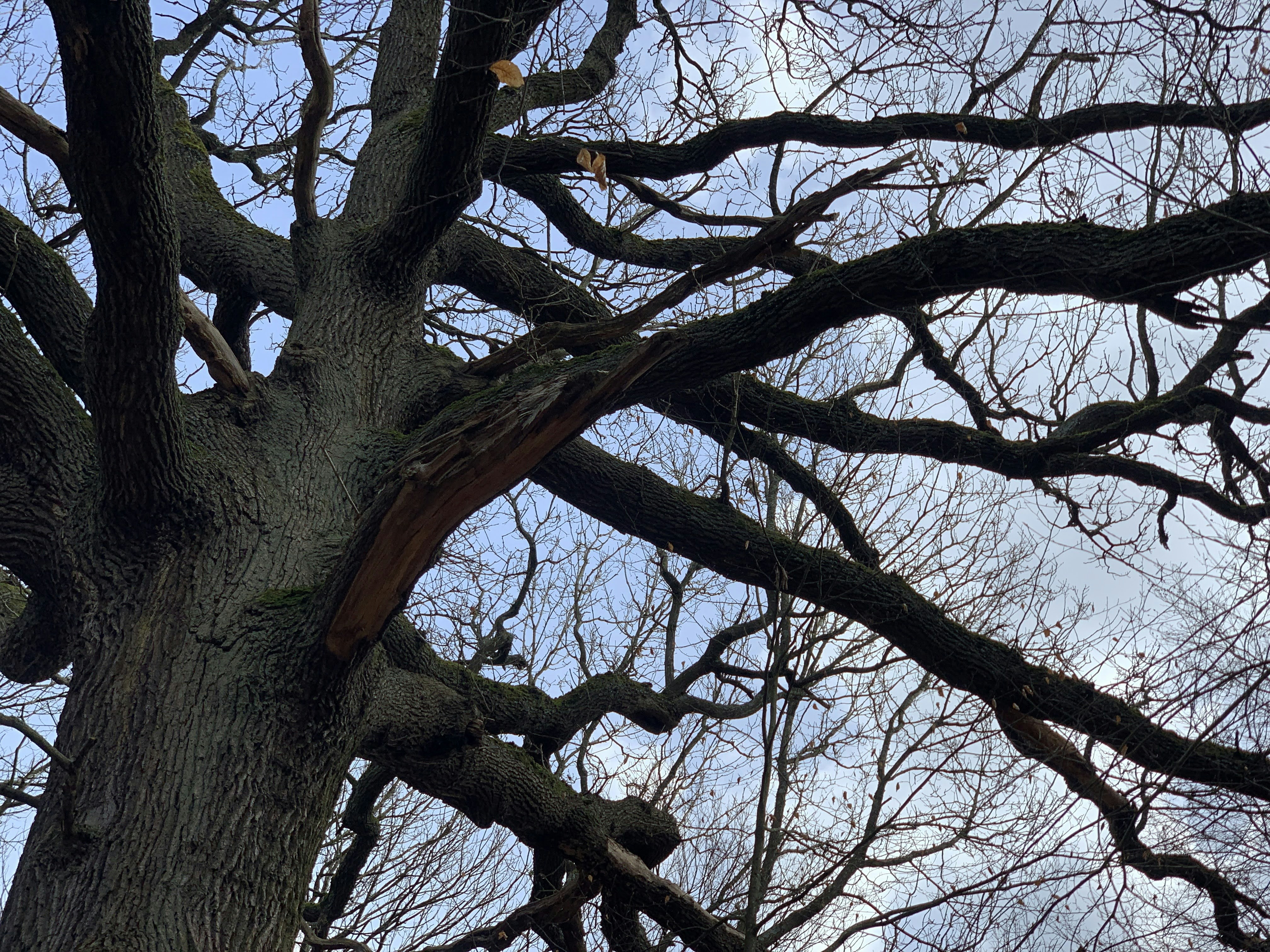
Massive English Oak tree with sprawling branches against overcast sky
High Risk Profile
Crown dieback in upper scaffoldRoot collar excavation requiredCo-dominant stem union

Quercus robur

English Oak

01

The English Oak presents a diagnostic challenge precisely because its decay is rarely visible until structural integrity is already compromised. We look for subtle crown thinning on the windward side, reaction wood formation in the lower trunk, and any evidence of Ganoderma bracket fungi at the root flare — three indicators that together paint a picture no single symptom could.

An oak with a 12-inch lean and visible included bark in the primary union is not a question of if — it's when.

James Whitfield, ISA #PN-4821
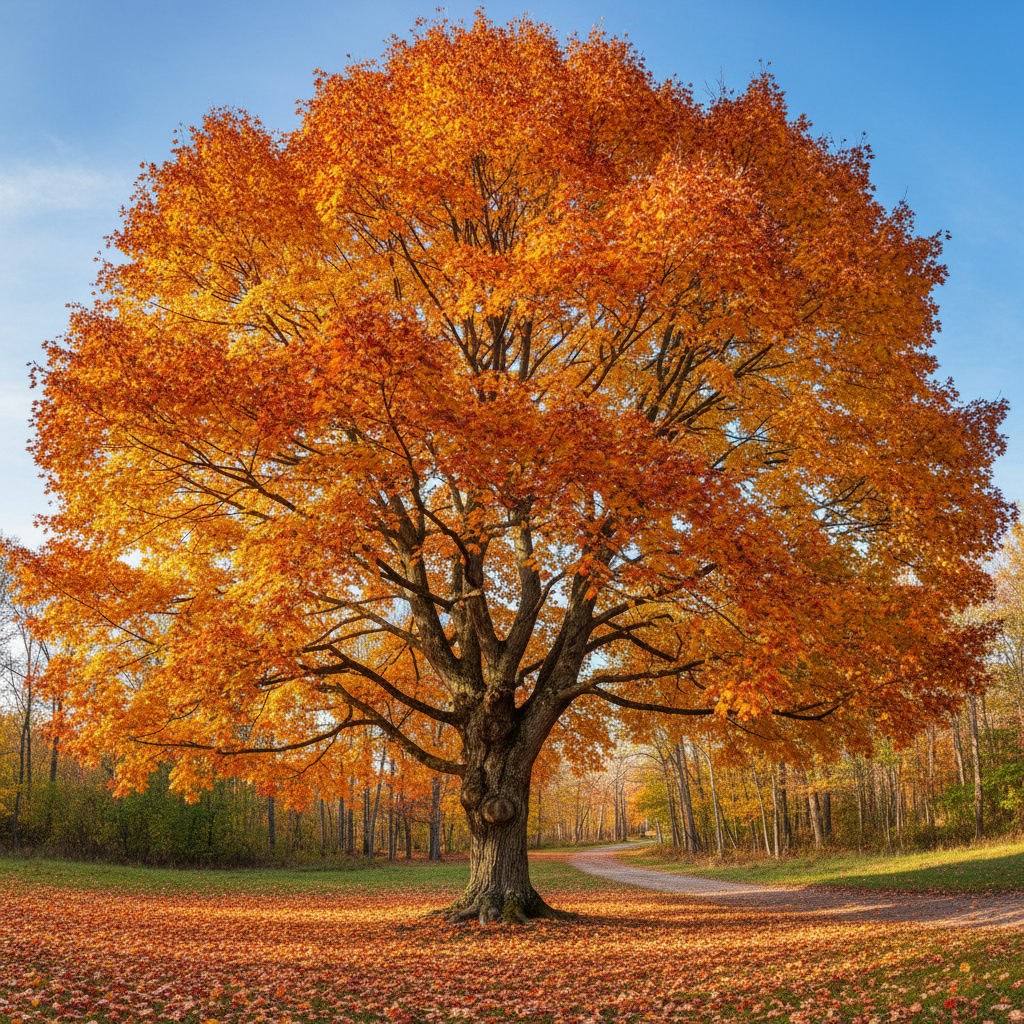
Silver maple tree with bright autumn foliage showing full canopy structure
Common Failure
Included bark at major unionsBrittle wood under storm loadSurface root system

Acer saccharinum

Silver Maple

02

Silver maples grow fast and break fast. The same rapid cell division that makes them popular street trees creates wood with low modulus of rupture — they simply cannot sustain the leverage forces a 70mph wind event generates in a full-canopy condition. Structural pruning at years 5, 10, and 15 after planting reduces major failure risk by an estimated 60 percent.

Silver maples are the emergency call we receive most often — beautiful trees with structurally poor architecture.

Priya Nair, ISA #PN-6103

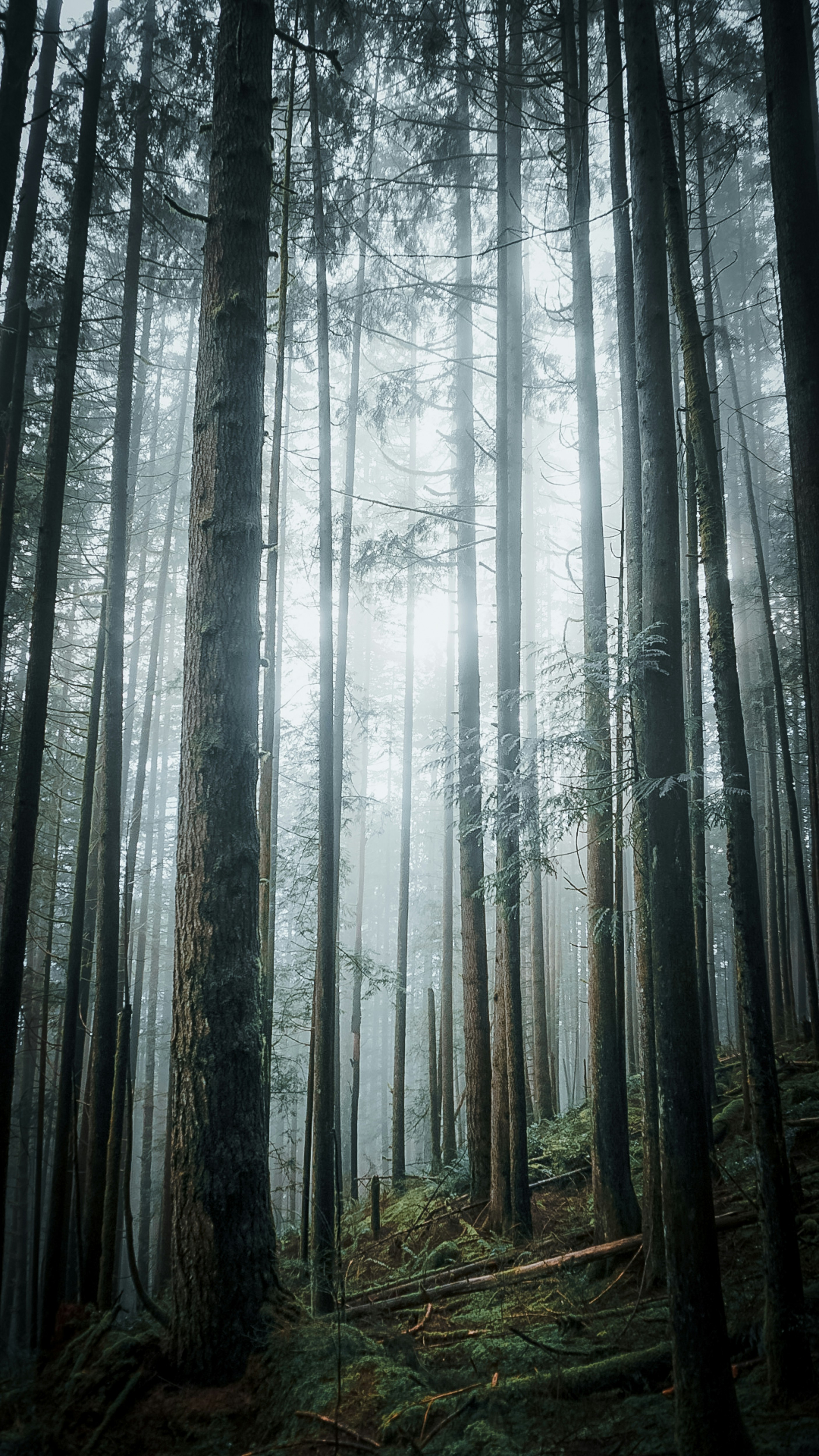
Tall Douglas Fir trees in a Pacific Northwest forest with misty light filtering through
Diagnostic Feature
Root rot (Phellinus weirii)Windthrow in shallow soilsCrown density index

Pseudotsuga menziesii

Douglas Fir

03

Douglas Fir dominates the Pacific Northwest canopy and dominates our assessment calendar. The primary threat is laminated root rot, caused by Phellinus weirii — a pathogen that colonizes root systems silently for decades before expressing in the crown. We use resistograph drilling and ground-penetrating radar to assess root plate integrity before any removal recommendation is made.

A Douglas Fir can look perfectly healthy from the street and be 70% hollowed by laminated root rot. The scan doesn't lie.

Thomas Okafor, ISA #PN-5517

When to Call,
When to Wait

Timing is everything in arboriculture. Pruning at the wrong moment invites disease; waiting too long courts structural failure. This calendar reflects Pacific Northwest conditions.

Jan
Feb
Mar
Apr
May
Jun
Jul
Aug
Sep
Oct
Nov
Dec
winter
spring
summer
fall

8-Point Post-Storm
Inspection Guide

Walk this checklist within 24 hours of any significant wind or ice event.

  1. 01

    Check for cracks or splits in major limbs

  2. 02

    Look for mushrooms or bracket fungi at the base

  3. 03

    Note any dead branches in the upper crown

  4. 04

    Observe the lean — measure against a fixed reference

  5. 05

    Inspect for bark inclusions at major branch unions

  6. 06

    Check for lifted or disturbed soil near root flare

  7. 07

    Document any recent crown thinning or die-back

  8. 08

    Photograph from all four cardinal directions

"If you check more than three boxes, call before the next storm window — not after."

— Canopy Assessment Protocol, v4.2

The Homeowner's
Tree Risk Guide

A field manual for reading structural failure

Contents

32-page illustrated field guide
Species-specific risk matrices
Failure zone diagrams
When to call vs. monitor chart
Insurance documentation checklist
Post-storm inspection protocol
32 pages · Illustrated · Updated 2026

The Guide That Earns
the Trust Before the Job

Thirty-two pages of illustrated, annotated guidance written by ISA-certified arborists — not marketing copy. Learn to read your own trees, know when to call, and document risk before your insurance carrier asks you to.

32-page illustrated field guide
Species-specific risk matrices
Failure zone diagrams
When to call vs. monitor chart
Insurance documentation checklist
Post-storm inspection protocol

We send the guide and a zip-code-specific addendum. No newsletter, no upsell — just the PDF.

ISA Certified Authors
2,400+ Guides Downloaded
No Spam — Ever

We Read Trees
The Way Surgeons Read Scans

Canopy was founded in 2011 by arborists who were tired of watching preventable failures happen to trees that had been "checked" by crews with chainsaws and no diagnostic training. Every assessment we perform is conducted by ISA-certified arborists using resistograph drilling, visual tree assessment protocols, and, where warranted, ground-penetrating radar for root plate analysis.

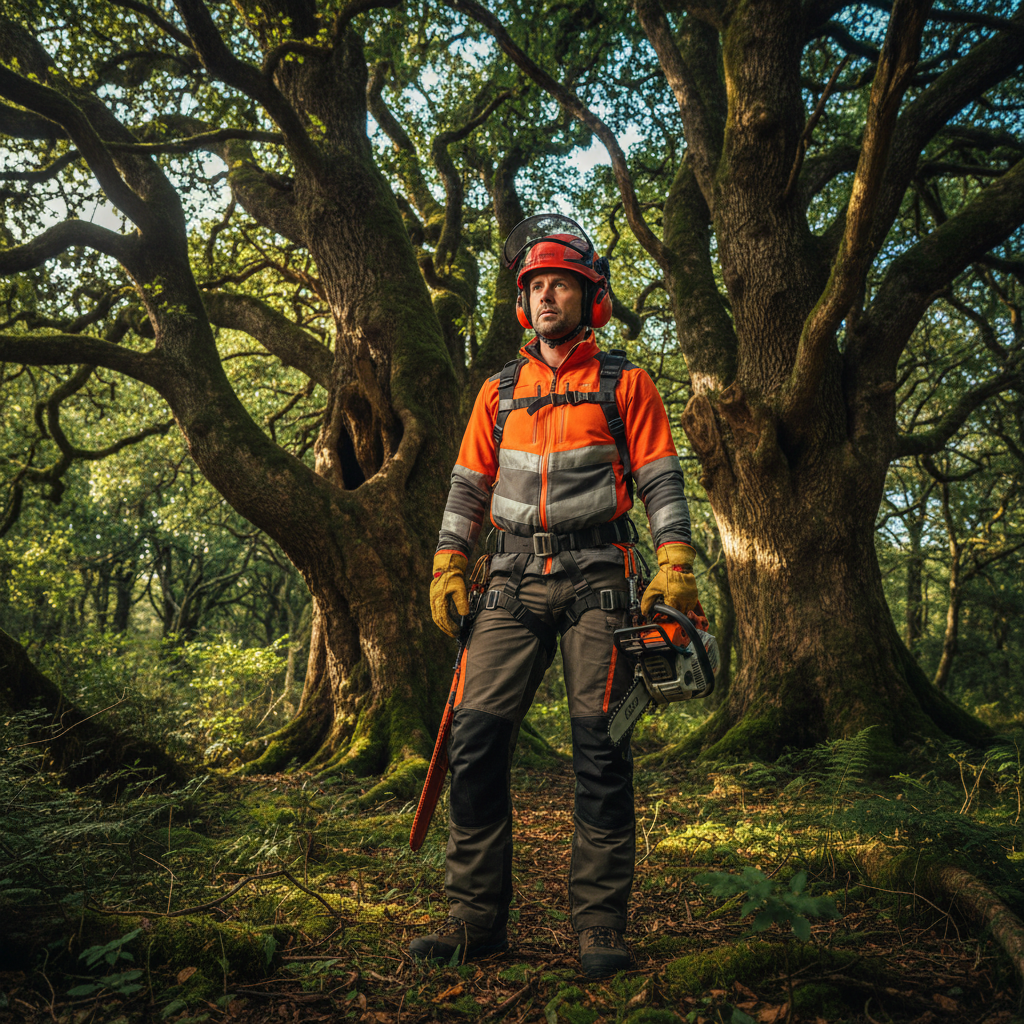
James Whitfield, lead arborist, standing in forest with professional gear

James Whitfield

ISA #PN-4821

Lead Arborist, Risk Assessment

Oak & Conifer Structural Analysis

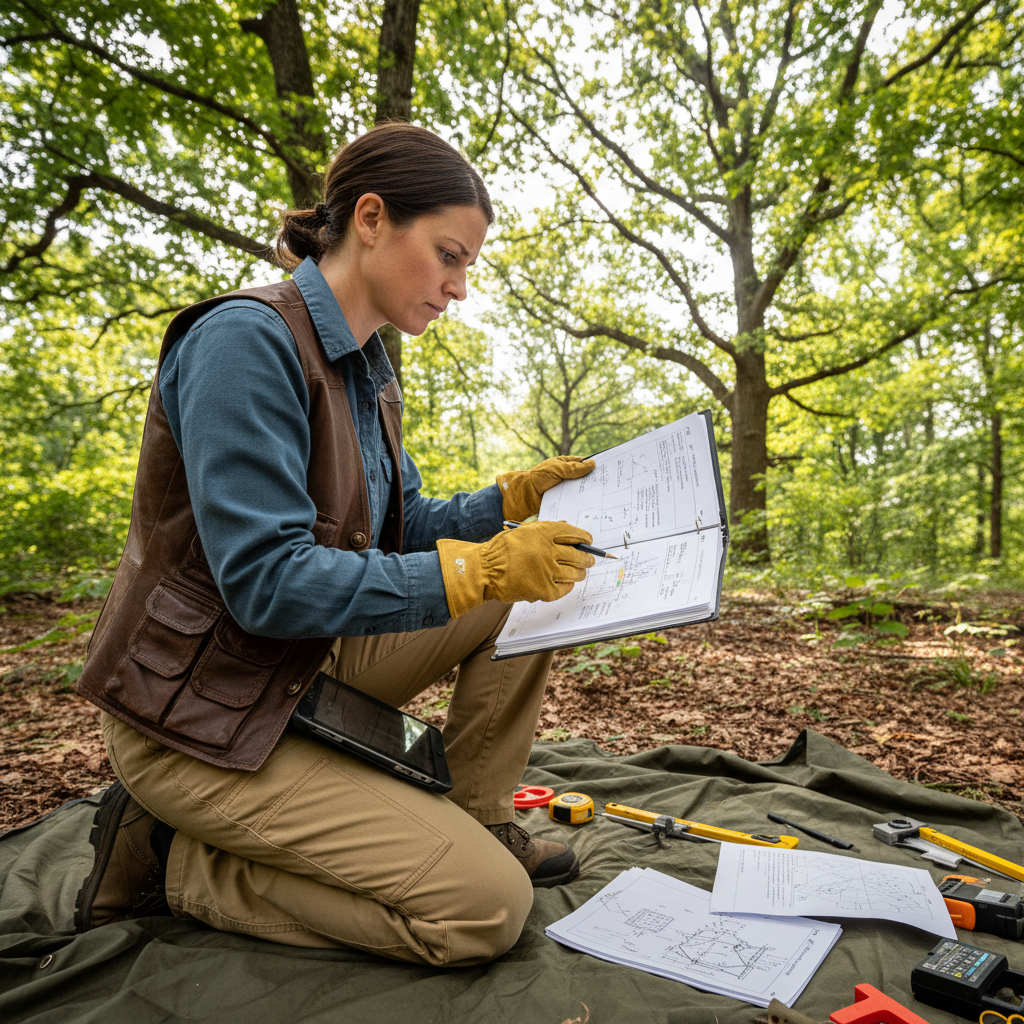
Priya Nair, consulting arborist, reviewing tree assessment documentation outdoors

Priya Nair

ISA #PN-6103

Consulting Arborist, Municipal

Urban Forest Inventory Systems

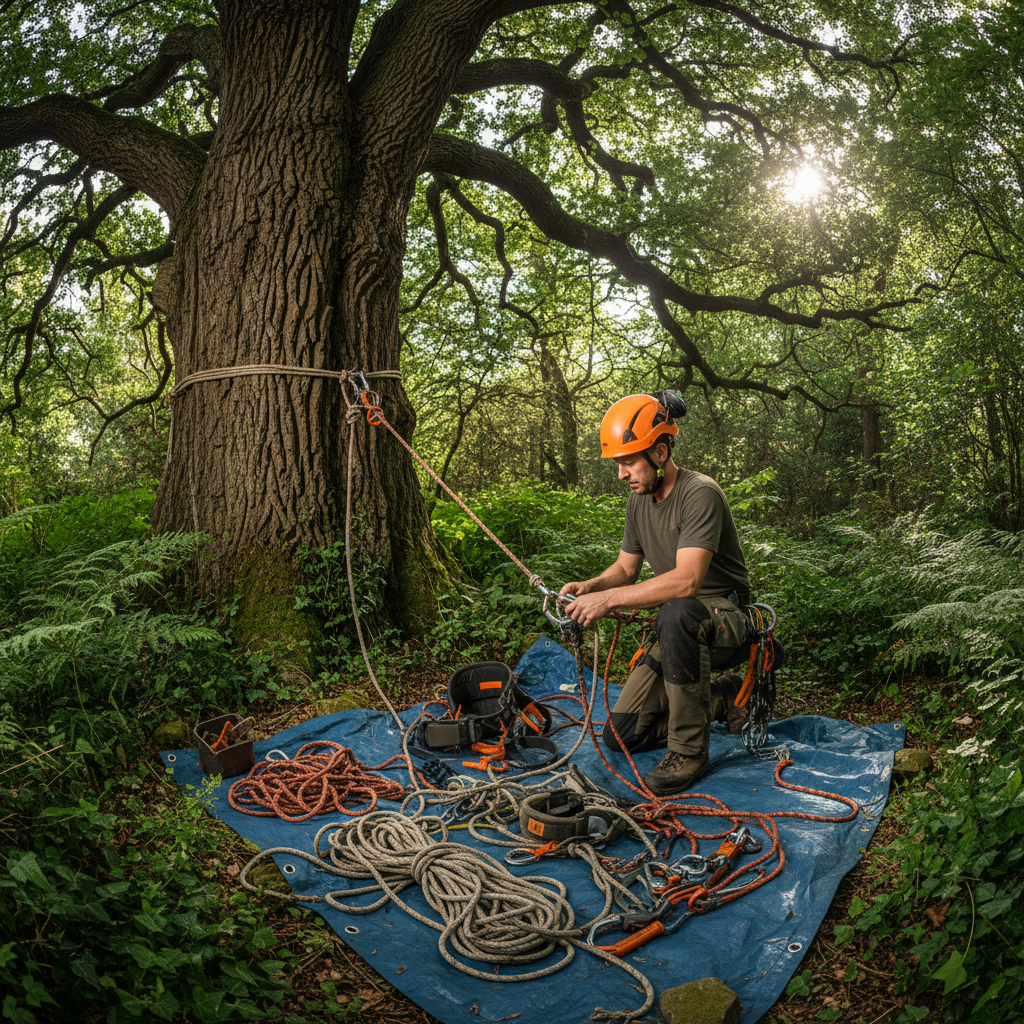
Thomas Okafor, climbing arborist, preparing rigging equipment at tree base

Thomas Okafor

ISA #PN-5517

Climbing Arborist, Removal

Rigging & Structural Removal

"A tree doesn't fail on the day it falls. It fails over years of missed signals — crown asymmetry, included bark, fungal fruiting bodies at the root collar. We're here for the years before the Tuesday night."

James Whitfield — Founder, Canopy Arborist Services